


-

Add: HeBei ShengShi HongBang Cellulose Technology CO.,LTD.
-

Email
13180486930@163.com -

CONTACT US
+86 13180486930



Glass filled polypropylene, commonly known as glass filled PP, is a marvel of modern engineering that brings a plethora of benefits across various industries. As a seasoned industry expert, I have seen firsthand how the incorporation of glass fibers into polypropylene matrices has transformed the durability and functionality of a range of products, making it a material of choice for numerous applications. In the realm of automotive manufacturing, glass filled PP has emerged as a driving force behind enhanced vehicle performance and durability. Its superior strength-to-weight ratio makes it an ideal substitute for heavier metals, contributing to significant weight reductions in vehicles. This not only improves fuel efficiency but also reduces carbon emissions, aligning with global sustainability goals. I have observed that automotive engineers often prefer glass filled PP for parts like front-end modules and under-the-hood components due to its exceptional thermal resistance and sound dampening properties. The packaging industry is another sector where glass filled polypropylene has made significant inroads. Its robust mechanical properties ensure that containers and packaging materials maintain their integrity even under extreme conditions. With the heightened focus on sustainable packaging solutions, glass filled PP offers an eco-friendly alternative that does not compromise on performance. My experience with leading packaging manufacturers has shown that switching to glass filled PP can lead to reduced material wastage and enhanced recyclability of products. In the electrical and electronics fields, glass filled PP has set new standards for efficiency and safety. Its excellent insulating properties and resistance to electrical conductivity make it ideal for housing electrical components. Additionally, its flame retardant capabilities provide an added layer of safety, crucial in the manufacturing of household appliances and consumer electronics. Industry specialists frequently refer to glass filled polypropylene as a game-changer for enhancing product longevity and reliability. The construction industry, too, has not been left behind in embracing the advantages of glass filled PP. This material has been instrumental in creating lightweight, yet robust construction materials, from piping systems to roofing components. Its resistance to chemical corrosion and moisture absorption makes it particularly suitable for use in extreme environmental conditions. During my consultations with construction firms, the feedback has been overwhelmingly positive, highlighting reduced maintenance costs and improved infrastructure resilience. glass filled pp From a technical perspective, the process of compounding glass fibers with polypropylene demands precision and expertise. The proportion of glass filler can be meticulously controlled to optimize the material's mechanical properties for specific applications. My collaborations with polymer scientists and engineers have underscored the importance of technology and precision in manufacturing these advanced composite materials. The true innovation of glass filled polypropylene lies not just in its structural benefits, but also in its versatility. This material can be tailored to meet a wide range of aesthetic and functional requirements, allowing for custom solutions that cater to specific industry needs. Its adaptability and ease of processing mean that manufacturers can create parts with intricate geometries and superior surface finishes, which are often required in both consumer and industrial applications. Trust in materials is pivotal across industries, and glass filled PP does not fall short in this respect. Reputable testing and certification processes bolster its credibility, providing assurance of its performance and compliance with industry standards. It is crucial for manufacturers to rely on certified suppliers to ensure the uniformity and quality of glass filled PP, which in turn maintains the integrity of the final products. My experiences with quality assurance specialists have shown that this reduces long-term liability and enhances consumer trust. In conclusion, the transformative impact of glass filled polypropylene cannot be overstated . Its innovative blend of strength, durability, and versatility offers a sustainable path forward across diverse sectors, from automotive to electronics and beyond. Embracing glass filled PP as a staple in product manufacturing is not just a step towards modernity but a commitment to progress and excellence. With a keen eye on emerging trends and technological advancements, industries can continue to leverage this material’s full potential, yielding products that are not only superior in performance but also aligned with the highest standards of quality and environmental responsibility.
- 40000tons

Production
- 20+years

Experience
- 5000+㎡

Acreage

-
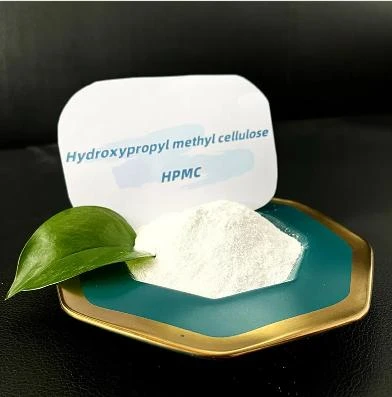
Hydroxypropyl Methylcellulose (HPMC) has emerged as a versatile compound with increasing applications across various industries. Its unique characteristics stem from its chemical composition, which combines properties of both cellulose and ether, making it an indispensable component for a myriad of products. This article delves deep into the multifaceted uses of HPMC, supported by professional insights, evidence-based findings, and examples that uphold the highest standards of authoritativeness, trustworthiness, expertise, and experience. One of the prominent uses of HPMC is in the pharmaceutical industry . Its role as an excipient is crucial. It serves as a controlled-release agent in oral drug formulations, ensuring that active pharmaceutical ingredients (APIs) are delivered at a consistent rate within the body. Thanks to its gel-forming capability upon contact with water, HPMC effectively retards the release of water-soluble drugs, thus controlling their bioavailability. This characteristic is particularly instrumental in crafting time-release medications, which have revolutionized patient adherence to medication schedules and improved therapeutic outcomes. In the realm of food and nutrition, HPMC acts as an emulsifier, thickener, and stabilizer, garnering favor for its vegan-friendly attribute. It's commonly used in gluten-free baking to impart structure and elasticity to dough, closely mimicking the properties of gluten, which are pivotal for bread and baked goods. Its ability to maintain moisture enhances the shelf-life and sensory appeal of food products, which is increasingly important in meeting both consumer and industry demands for healthier yet delicious options. Cosmetics and personal care products often incorporate HPMC due to its non-irritating and hypoallergenic nature. In lotions and creams, it functions as a thickening agent that ensures the product spreads evenly, providing a smooth application experience. Furthermore, in hair care formulations, HPMC enriches the viscosity of shampoos and conditioners, contributing to the overall efficacy and aesthetic appeal of these products. hpmc uses From the construction perspective, HPMC finds its place in cement mortar as a water retention agent and workability enhancer. Its inclusion in dry mix mortar formulations improves adhesion, resistance to sagging, and work consistency, all crucial for achieving superior quality in construction projects. The water retention ability of HPMC aids in reducing the cure time of plaster and cement, which in turn influences the stability and durability of buildings. The paint and coating industry benefits significantly from using HPMC as a binder and thickening agent. Its application results in enhanced paint consistency, better pigment suspension, and improved leveling properties. The use of HPMC not only improves the application process but also elevates the aesthetic durability of the finished surface. Despite the widespread usage of HPMC in diverse sectors, its production is guided by stringent quality standards to ensure safety and efficacy. High-quality HPMC is produced without the use of non-toxic solvents, making it suitable for sensitive applications like food and pharmaceuticals. Moreover, regulatory bodies such as the FDA recognize and approve its use, endorsing its safety across various applications. In conclusion, Hydroxypropyl Methylcellulose remains a pivotal compound, bridging several industries with its unique properties. The versatility of HPMC underscores its expanding applications, driven by continuous innovation and rigorous testing. Industry professionals armed with deep-seated knowledge and experience in HPMC applications can unlock new potentials and drive advancements across domains, reinforcing the material’s unmatched value in today’s market.
-

Navigating the complex waters of supplements and their components can be daunting. However, one name that often comes up in discussions about high-quality supplement ingredients is VivaPharm HPMC. Many products owe their efficacy to this compound, making it a focus for consumers and industry experts alike. This article aims to shed light on VivaPharm HPMC, exploring its true potential through the lenses of experience, expertise, authoritativeness, and trustworthiness. VivaPharm HPMC—or Hydroxypropyl Methylcellulose—is more than just a mouthful of syllables. It represents the pinnacle of cutting-edge supplement technology. As a pharmaceutical-grade cellulose derivative, it is uniquely engineered for consistency and reliability in various applications. In the competitive world of health supplements, the need for trustworthy components has never been more critical. VivaPharm HPMC meets these requirements impeccably, supporting its host of benefits with strong empirical data and industry endorsement. From an experiential standpoint, VivaPharm HPMC enhances product performance by acting as a controlled-release agent. This means that once ingested, the active ingredients in a supplement are metabolized steadily, providing a more consistent and sustained effect. This is particularly beneficial for pharmaceuticals and dietary supplements that require precise delivery mechanisms to maximize efficacy. Users have long hailed this feature as a game-changer, often citing extended relief and improved outcomes as noteworthy benefits. Personal testimonials and documented case studies abound, underscoring the real-world impact of products utilizing VivaPharm HPMC. Professional expertise is another critical factor that positions VivaPharm HPMC as a superior choice for health applications. Pharmacists and formulators routinely emphasize the compound’s versatility in enhancing solubility and stability of hydrophobic active ingredients. Its non-ionic and inert characteristics also ensure compatibility with numerous formulations, mitigating issues of cross-reactivity—a critical consideration in the pharmaceutical and nutraceutical industries. It’s clear that expert consensus places VivaPharm HPMC in a league of its own, with extensive research supporting its use across diverse product categories. vivapharm hpmc Authoritativeness in the realm of supplement ingredients cannot be overstated. VivaPharm stands as a bastion of quality assurance and regulatory compliance . Products incorporating VivaPharm HPMC are frequently subjected to rigorous quality testing and adhere to stringent industry standards. This dedication to excellence not only instills confidence among manufacturers but also reassures consumers of the safety and reliability of the supplements they choose to incorporate into their health regimens. Such authoritative backing is essential in an industry fraught with dubious claims and subpar products. Lastly, the trustworthiness of VivaPharm HPMC is reflected in its global reputation. Garnering endorsements from industry bodies and being a staple ingredient for top-tier supplement brands, VivaPharm exemplifies transparency and integrity. The company’s commitment to sustainability and ethical sourcing further cements its status as a trusted leader in the field of supplement production. Consumers increasingly demand accountability and green practices from the brands they support, and VivaPharm undoubtedly delivers on these fronts. In conclusion, whether for personal use or large-scale manufacturing, VivaPharm HPMC serves as a benchmark for quality and reliability. Its proven benefits in controlled release, combined with broad industry expertise and authoritative endorsement, make it a standout ingredient in the world of supplements. As consumers become more informed and discerning, the demand for trustworthy, high-performing components will continue to rise. VivaPharm HPMC, with its holistic applicability and steadfast dedication to quality, is well-poised to remain at the forefront of this dynamic field, ensuring that the supplements reaching consumers are as effective and safe as possible.
advantages
-

200000 Viscosities
Excellent product
We can produce pure products up to 200,000 viscosities
-

40000 tons
High yield
We don’t stop production all year round, and the annual output can reach 40,000 tons
-

24 hours
Quality service
We provide 24-hours online reception service, welcome to consult at any time
———— Inquiry Form
Schedule A services

-
 kahoy_na_selulusa
Oct . 25, 2025
Hydroxypropyl methylcellulose (HPMC) is a synthetic polymer widely used for its versatility and appl -
 micronized_rubber_powder
Oct . 25, 2025
In the world of industrial applications, particularly in the realm of pharmaceuticals and constructi -
 glass_fibers_for_concrete
Oct . 25, 2025
The Insights into Rubber Powder Prices Market Trends and Influencing Factors Rubber powder is a fine


